S-02 · Data Center & Mission-Critical

Data center project management from the owner's side.

Owner's representative and project executive for data center design-build, existing-facility conversions, and commissioning — one accountable point of contact protecting your scope, schedule, and capital across every discipline and contractor.

The Problem

A data center is an industrial facility with zero tolerance for failure.

The mechanical, electrical, and life-safety systems inside a data center demand the same rigor as any heavy manufacturing plant — with tighter redundancy, denser multi-discipline coordination, and a commissioning process that forgives nothing. The owner who manages it like an office build pays for that mistake at turnover, or at the first utility event.

Most owners do not have a full-time project executive who can read a one-line diagram, challenge a mechanical sequence of operations, and hold a design-builder to a GMP at the same time. That is the gap a data center owner's representative closes. ProjectMAINT fills it with 20+ years of owner-side capital project execution in environments where downtime was measured in dollars per minute.

We do not replace your engineer of record or your general contractor. We sit on your side of the table and make sure what they deliver is what you paid for.

What's at stake
Cost exposure
In the gap between design progress and construction commitment
Hidden conditions
Open scope and existing systems in building conversions
Redundancy erosion
Tier objectives quietly value-engineered out of the documents
Compressed commissioning
A date protected at the expense of proving performance
Unevaluated changes
Change orders no one on the owner's side could technically challenge
Scope of Service

What an owner's representative does on a data center build.

01

Owner-Side Project Leadership

A single accountable point of contact across the engineer of record, design-builder or general contractor, equipment vendors, utility, and commissioning agent. Weekly cost, schedule, and risk reporting in language your executives and investors can act on — not a contractor's progress narrative.

02

Tier-Rated Design-Build Oversight

Multi-discipline design review coordinated against Uptime Institute Tier objectives: electrical topology and redundancy, mechanical cooling capacity and sequences, fire protection and life safety, controls and monitoring. We catch the constructability trap and the spec conflict on the whiteboard, before it becomes an RFI, a change order, or a 2 a.m. failure.

03

Existing-Facility Conversions

Converting a warehouse, plant, or office building into a data hall surfaces open scope and hidden conditions faster than any greenfield site. We run due diligence on structure, utility service capacity, existing mechanical and electrical systems, and envelope — so the budget reflects the building you actually have.

04

Contract & Cost-Exposure Management

T&M, GMP, and design-build risk controlled at the point it is created: scope definition, contract structure, allowances and contingency, and the pace at which construction commitments outrun design completion. Every change evaluated technically before it is approved commercially.

05

Commissioning Rigor

Disciplined Cx planning from factory witness testing through integrated systems testing, with the owner's operations team in the room. The facility you paid for is the facility you receive — and your team inherits documentation, training, and a maintenance baseline, not surprises.

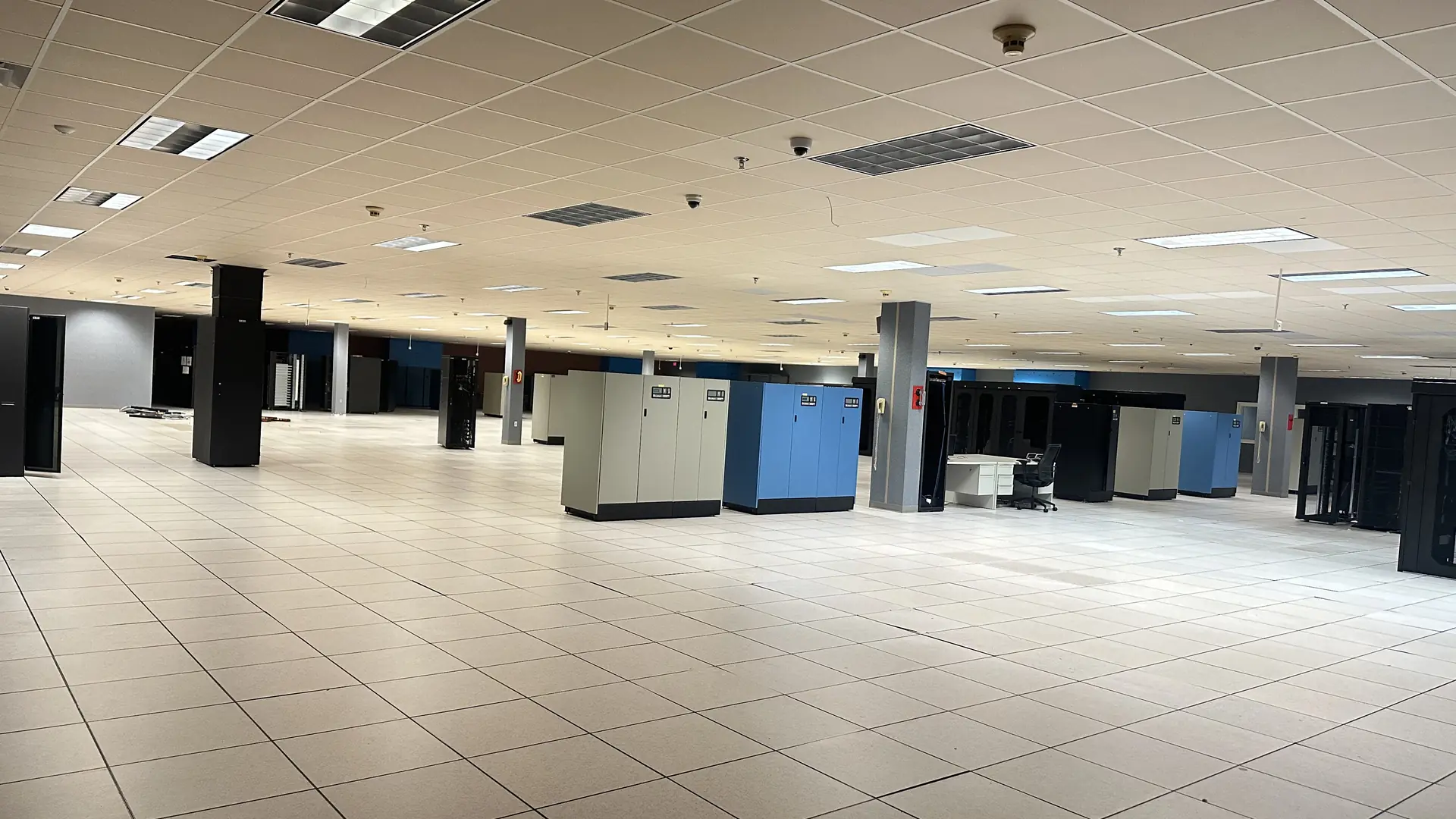
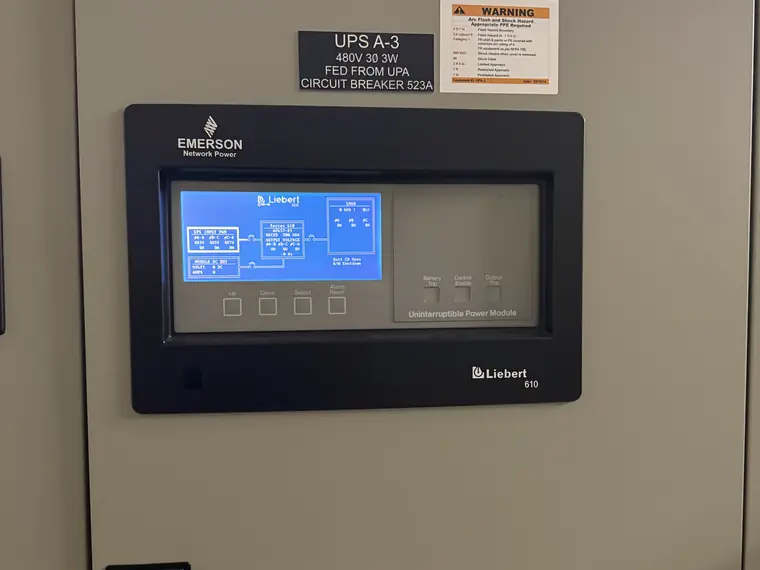
Liebert UPS module — critical power distribution
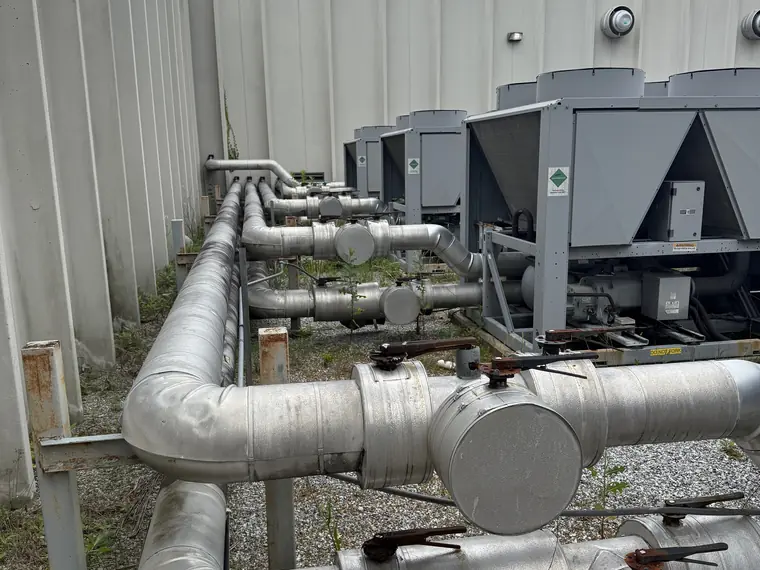
Chiller plant and insulated primary piping
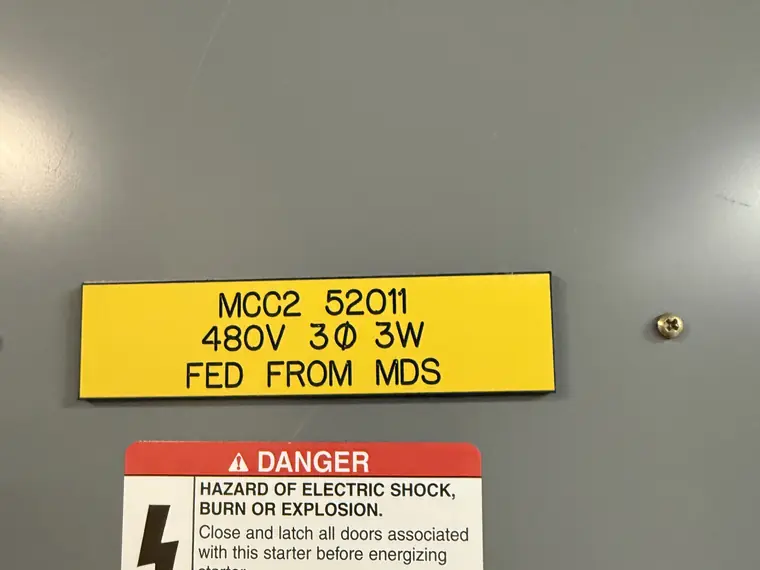
480V motor control centre — arc-flash boundary
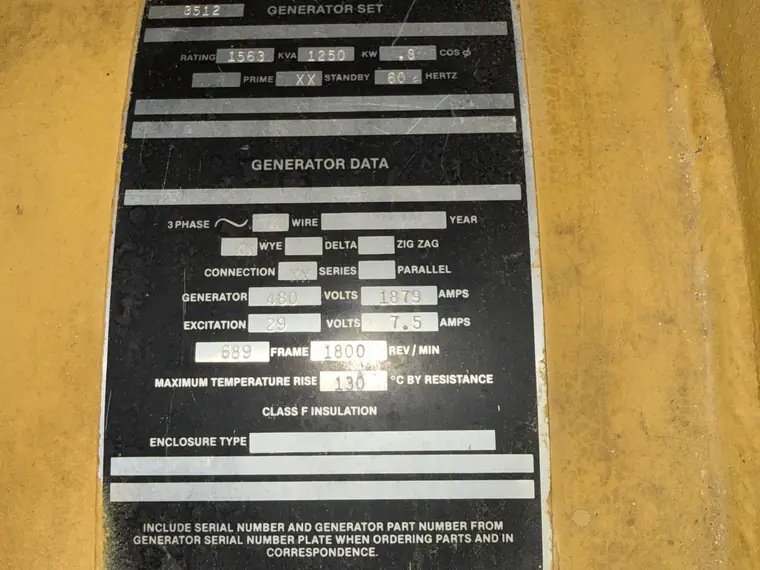
Standby generator set — nameplate verification
The Difference

Why an industrial operator makes a stronger owner's rep.

01 / Engineer

Reads the Drawings

An owner's rep who cannot evaluate the design is managing a schedule, not a project. We review the one-lines, the sequences, and the specifications — and we have maintained the equipment they describe.

02 / Project Manager

Holds the Baseline

Scope, schedule, and budget under one accountable owner-side point of contact. Cost controlled before it becomes a change order; schedule defended against the drift that turns a deadline into a financial hole.

03 / Contractor

Speaks Every Trade

Electrical, mechanical, structural, civil, controls, and fire protection — coordinated by someone who has stood where the trades stand and holds them to the plan.

04 / Owner

Thinks in Uptime

Two decades running plants where the line going down was a financial event. Every decision weighed against operations impact and long-term reliability, not just the Gantt chart.

Track Record — Career, Aggregate
100+
Capital Projects Delivered
$200M+
Capital Delivered · Career
20%
Downtime Reduction · Tier 1 Auto
95%+
On-Time, On-Budget Delivery
Engagement Model

How a data center engagement runs.

Phase 01

Assess

A direct first conversation, then a scoped risk assessment: where the project stands, where the exposure is, and what it would take to control it. Written, specific, and yours to keep.

Phase 02

Baseline

Scope definition, contracting strategy, budget and schedule baselines, and Tier objectives documented and agreed — before commitments are made that lock them in.

Phase 03

Execute

Owner-side leadership through design, procurement, and construction. Weekly cost and schedule control, change management, and multi-discipline coordination on site.

Phase 04

Commission & Hand Off

Cx planning and witness, punch and closeout, and documentation your operations and maintenance team can actually run the facility with.

Questions

Frequently asked questions.

What does a data center owner's representative actually do?

An owner's representative is the owner's full-time project executive. We represent your interests to the engineer of record, the general contractor or design-builder, equipment vendors, the utility, and the commissioning agent. In practice that means defining and protecting scope, controlling cost and schedule, technically evaluating design decisions and change orders, coordinating disciplines, and making sure commissioning proves the facility performs as specified. You get one accountable point of contact who reads the drawings and answers to you, not to the contractor.

When should we bring in an owner's rep — before or after selecting a design-build partner?

Before, if at all possible. The largest cost exposure on a data center project is created at contract formation: how scope is defined, how allowances are set, which Tier objectives are written into the documents, and how T&M or GMP risk is allocated. An owner's rep engaged before partner selection shapes those terms. Engaged afterward, we can still control execution, but we inherit the contract you signed.

Can you take over a project that is already under construction?

Yes. Mid-project engagements start with a rapid baseline: where the design actually stands versus construction commitments, open scope, pending changes, schedule float, and commissioning readiness. You get a written risk picture within the first weeks, then owner-side leadership through completion. Recovering a project is harder than starting one correctly, but it is a frequent and legitimate reason to call.

How do you manage T&M and GMP cost exposure?

By controlling the gap between design progress and construction commitment. Under time-and-materials or an early guaranteed maximum price, costs move fastest when construction outruns a design that is still changing. We track design completion by discipline, hold the design-builder to defined scope before releasing commitments, scrutinize allowances and contingency draws, and evaluate every change technically before it is approved commercially.

Do you work on hyperscale, colocation, enterprise, or edge facilities?

The service applies to any owner building or converting mission-critical capacity: enterprise and private data centers, colocation and build-to-suit developments, and edge or modular deployments. The common denominator is an owner who needs a technically capable executive on their side of the table. Engagements are scoped to the project, not the asset class.

How is an existing-building conversion different from a greenfield build?

A conversion inherits a structure, a utility service, and existing systems that were never designed for a data hall. The risk is hidden conditions and open scope: floor loading, roof structure for mechanical equipment, electrical service capacity, fire protection, and envelope. We run due diligence on the building before the budget is fixed, so the number reflects the facility you actually have rather than the one on the broker's flyer.
Start Here

Let's pressure-test your project.

Capital build, downtime problem, or leadership gap — the first conversation is free and direct. You'll leave it knowing exactly where your risk is.

Schedule a Project Assessment →
330.696.3413 SBurton@ProjectMAINTSolutions.com
Or send a message directly