S-01 · S-03 · S-04 · Industrial & Manufacturing

Industrial project management for plants that can't stop.

Capital project management, maintenance & reliability optimization, and interim maintenance leadership for food & beverage, automotive Tier 1, chemical, and metals manufacturers — delivered by a project executive who has run the plant floor, not just the schedule.

Who This Is For

For the plant with a capital build, a downtime problem, or a leadership gap.

Manufacturing plants rarely get to pick one problem at a time. The automation project is behind, the maintenance backlog is growing, and the maintenance manager just gave notice. ProjectMAINT exists for exactly that intersection — one principal who has sat in the plant engineering seat, the maintenance manager's seat, and the capital project owner's seat, and can carry whichever one you are missing.

Every engagement is run with the owner's P&L in view: cost, constructability, operations impact, safety, and long-term reliability. We do not deliver a binder and leave. We deliver a project that comes in and a maintenance program that keeps running after we are gone.

Sectors served: food & beverage, automotive Tier 1, chemical & process, and metals — with 20+ years of plant engineering, maintenance, and capital project leadership behind the work.

Typical triggers
Capital project, no owner-side PM
Automation, process system, or facility build with no one technically accountable on the owner's side
Downtime eating margin
Unplanned downtime with no reliability program behind the firefighting
Maintenance manager vacancy
A plant that cannot wait six months for a permanent hire
PM program on paper only
A CMMS full of tasks the floor does not run
Uncoordinated trades
Electrical, mechanical, structural, and controls contractors nobody is holding to one plan
S-01

Capital project management for manufacturing plants.

End-to-end owner-side execution for automation cells, process and packaging systems, utility and infrastructure upgrades, and facility builds — scope, schedule, and budget held where they belong. We read the drawings and catch the constructability trap before it becomes an RFI, control cost before it becomes a change order, and coordinate electrical, mechanical, structural, civil, controls, and fire protection under one accountable point of contact.

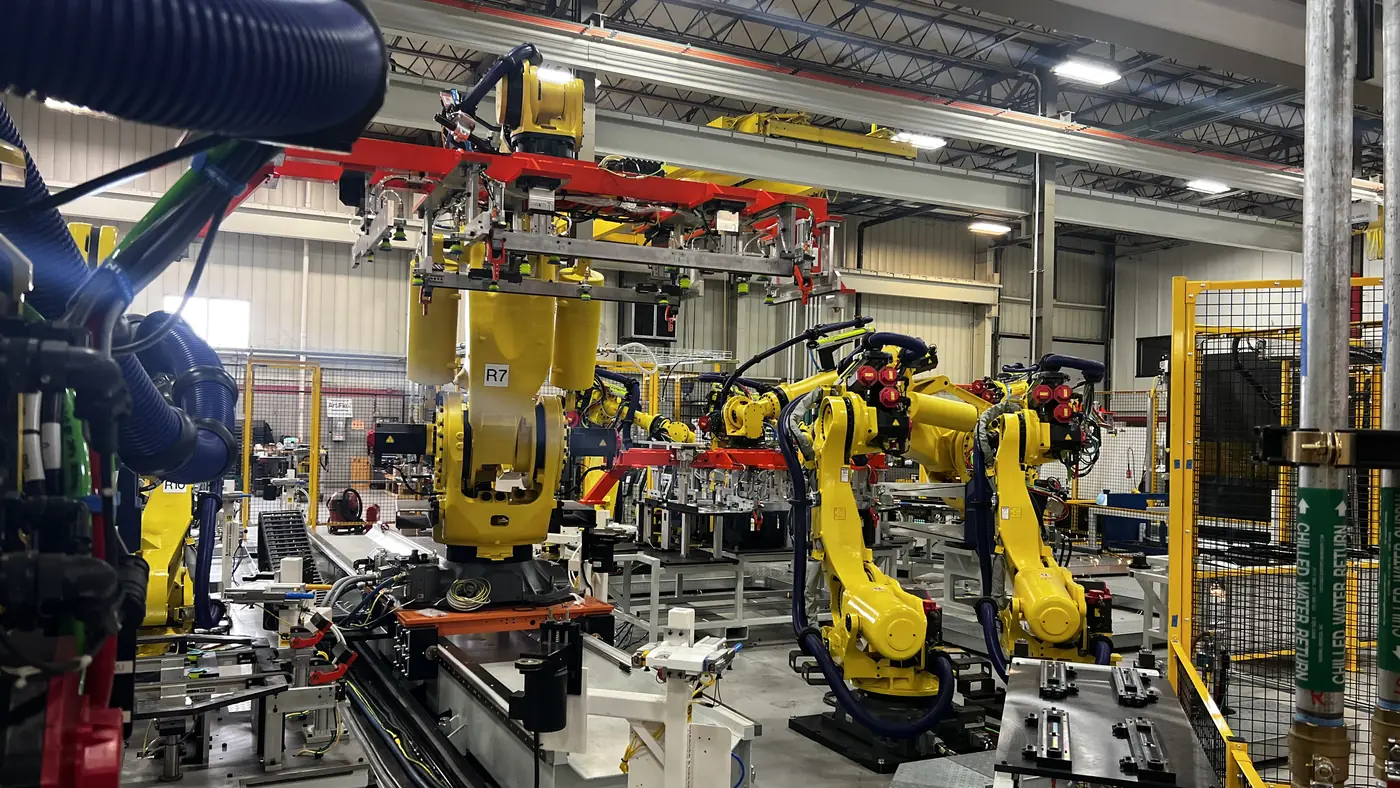
Experience spans robotic automation cells, e-coat and finishing systems, process and packaging lines, wastewater treatment, and plant utility infrastructure — delivered inside operating facilities where production kept running around the work. Projects are managed to your P&L: every decision weighed against cost, constructability, operations impact, and the maintenance team that inherits the asset.

Scope
Project definition
Scope, budget, and business case development
Design review
Engineering reviewed for constructability, operability, and maintainability
Procurement
Contractor selection, bid leveling, and contract structure
Controls
Schedule, cost, and change management through construction
Start-up
Installation, commissioning, and ramp into production
Turnover
Documentation, spares, and maintenance readiness
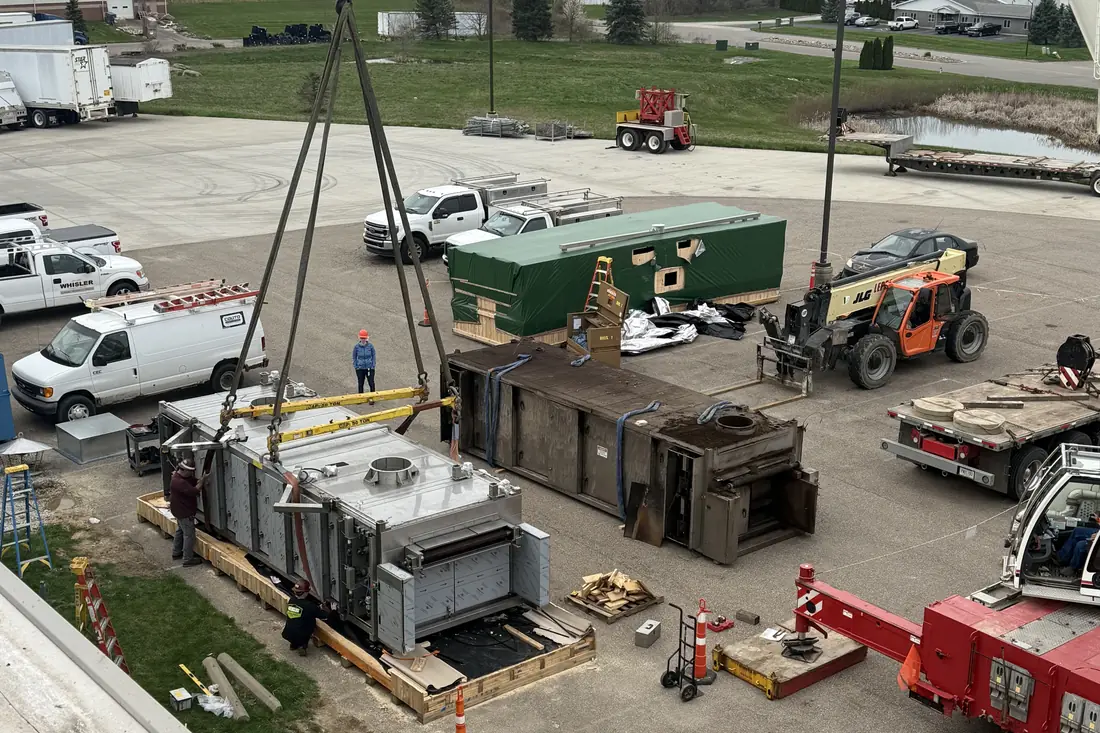
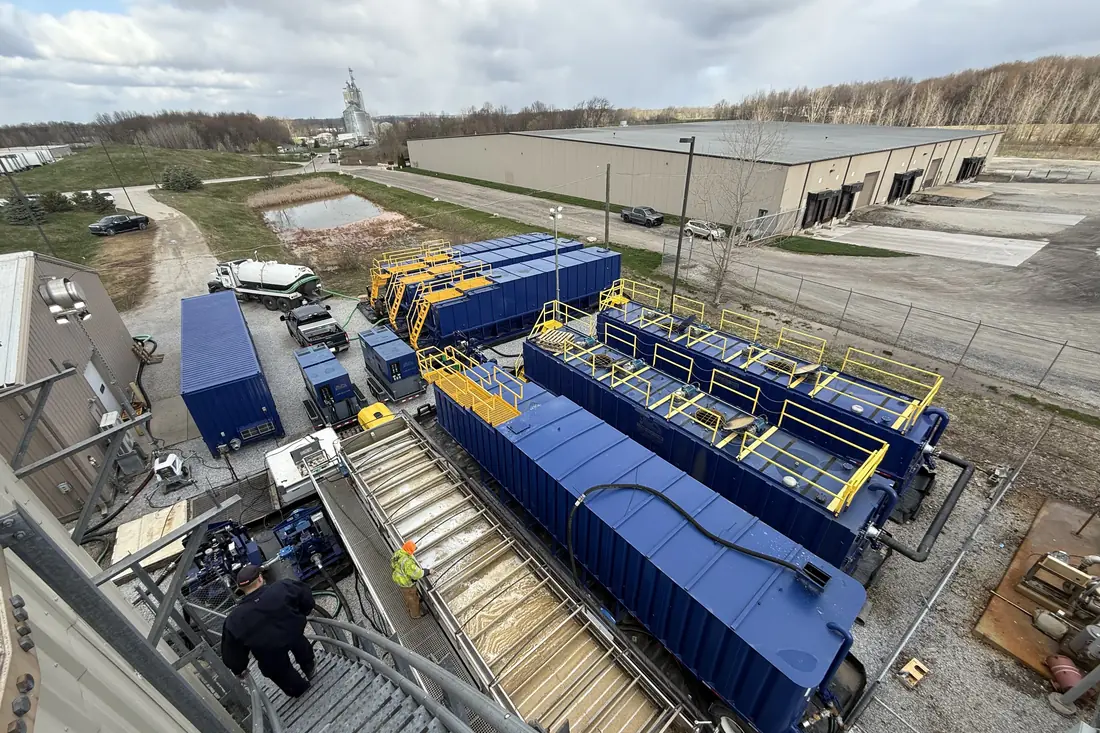
Temporary treatment installation — owner-side execution
Rigging a process skid — lift plan and set
S-03

Maintenance & reliability optimization.

Unplanned downtime is a cost line, not a weather event. We assess the maintenance organization the way an owner would — work management, PM program, planning and scheduling, spare parts, CMMS data, skills, and leadership — and build a reliability program disciplined enough to survive after we leave.

The result at a Tier 1 automotive plant was a 20% reduction in maintenance-driven downtime. The method was not exotic: a PM program matched to actual failure modes, a planning and scheduling discipline that put wrench time ahead of firefighting, and a maintenance team led like the production asset it is.

Scope
Assessment
Maintenance & reliability review with a quantified cost of downtime
PM optimization
Program design built on failure modes (RCM / FMEA), not vendor defaults
Planning & scheduling
Work order flow, backlog control, and schedule compliance
CMMS
Configuration, data integrity, and KPI dashboards that get used
Spares
Critical spares strategy and storeroom discipline
People
Team structure, skills matrix, and supervisor development
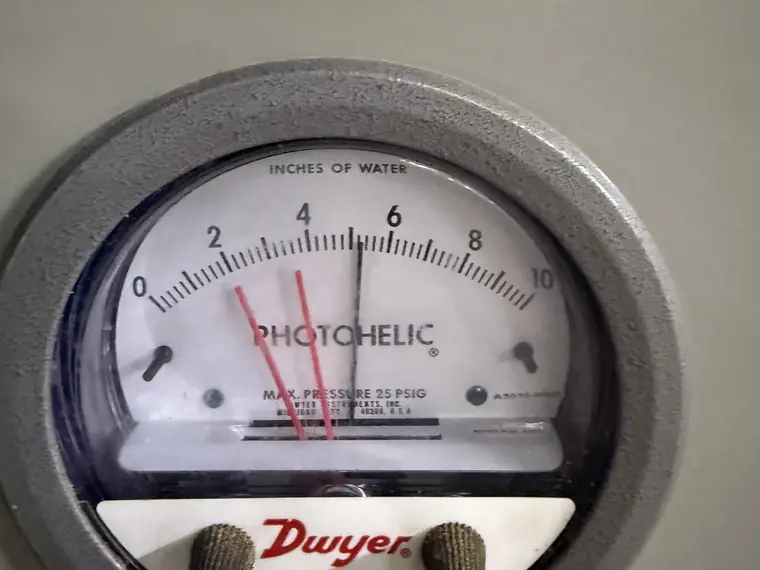
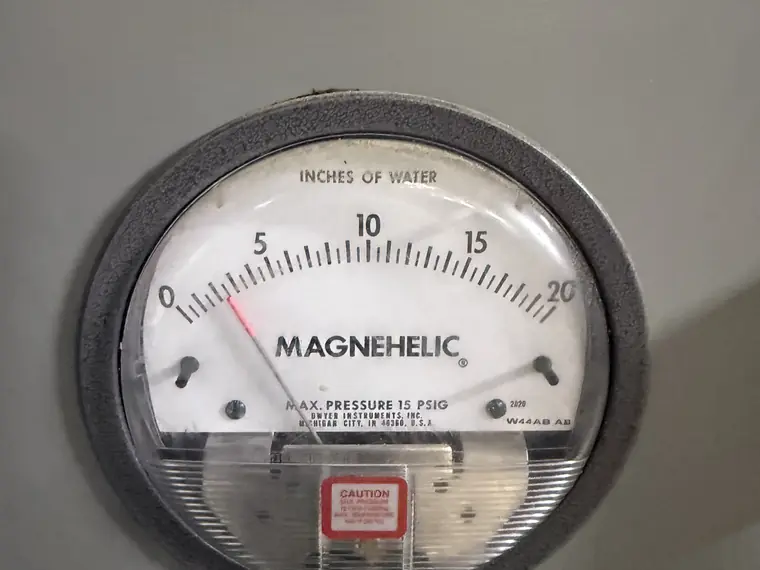
Differential pressure — condition monitoring
Static pressure across the collector
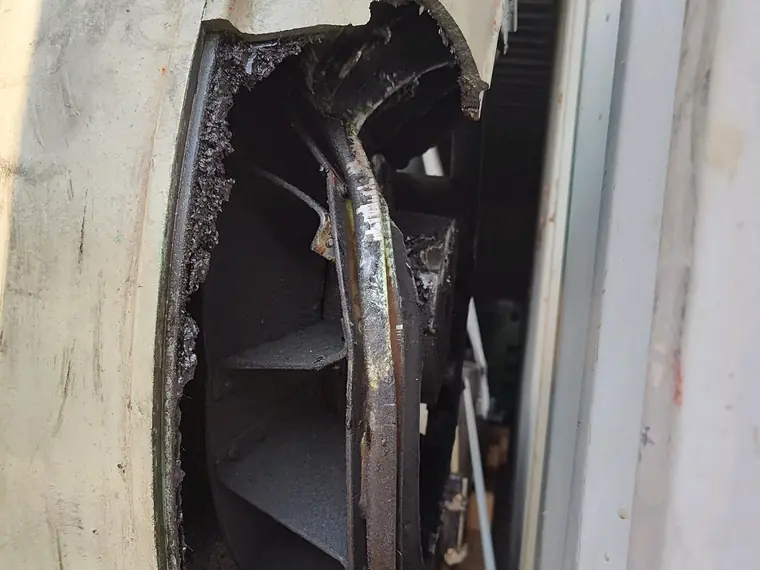
Fractured blower wheel — failure analysis
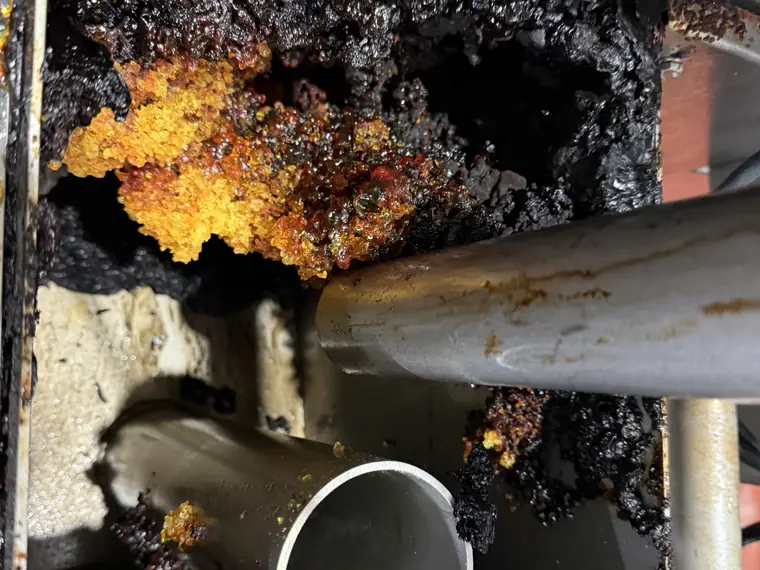
Carbon fouling — deferred maintenance, quantified
S-04

Interim maintenance manager & plant leadership coverage.

A maintenance manager vacancy does not pause the plant. It shows up as deferred PMs, growing backlog, overtime, and a team making decisions nobody is accountable for. Interim maintenance management puts a hands-on, on-site leader in the seat within weeks — someone who has led maintenance organizations of 45+ and can stabilize operations, protect output, and leave the department stronger than it was found.

Engagements typically run three to nine months on site, and can include defining the permanent role, interviewing candidates, and onboarding the hire so the transition is a handoff rather than another gap. Fractional coverage is available for smaller or multi-site operations.

Coverage
Interim roles
Maintenance Manager · Plant Engineering Manager · Reliability Lead
Fractional leadership
Set days per week across one or more sites
Stabilization
Backlog, PM compliance, safety, and overtime brought under control
Leadership
Accountability, daily management, and skills development
Permanent hire
Role profile, interviews, and onboarding support
Handoff
Documentation and a 90-day transition plan
Robotic automation cell — multi-discipline coordination
Industries Served

Four sectors. One standard.

IND-01

Food & Beverage

Sanitary design, washdown environments, packaging lines, and the regulatory and allergen constraints that shape every capital project and PM program.

IND-02

Automotive Tier 1

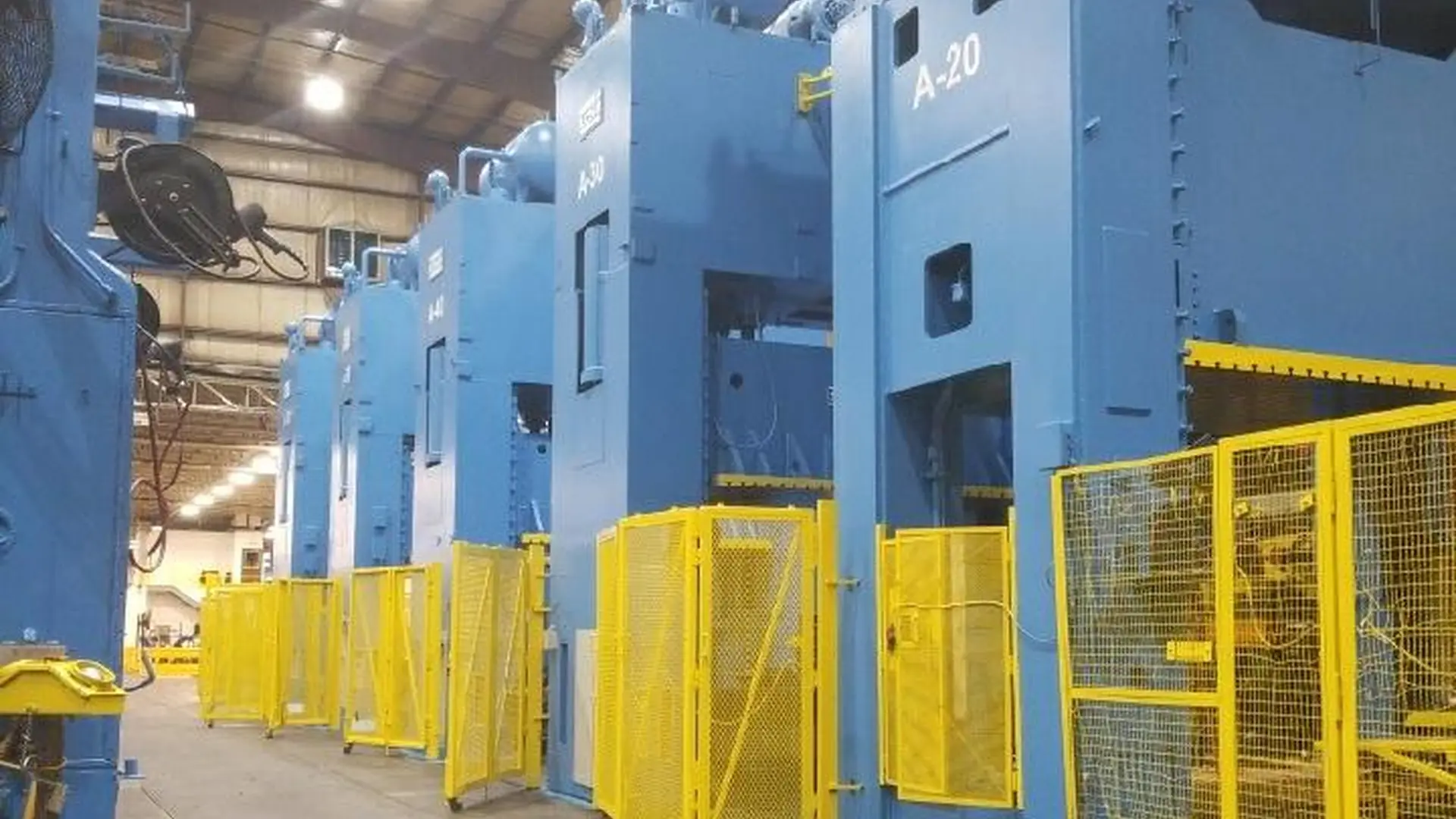
Robotic automation, e-coat and paint, stamping and assembly — where takt time is law and a line down is measured by the minute.

IND-03

Chemical & Process

Process safety, rotating and static equipment reliability, utilities, and wastewater — where maintenance discipline is a safety system.

IND-04

Metals

Heavy equipment, high-energy processes, and infrastructure built decades ago that still has to run tomorrow.

Track Record — Career, Aggregate
100+
Capital Projects Delivered
$200M+
Capital Delivered · Career
20%
Downtime Reduction · Tier 1 Auto
95%+
On-Time, On-Budget Delivery
Engagement Model

How an industrial engagement runs.

Phase 01

Assess

A direct first conversation, then an on-site assessment of the project, the maintenance organization, or the leadership gap — with the cost of the problem quantified.

Phase 02

Plan

Scope, schedule, and budget baselines for a capital project; a prioritized reliability roadmap; or a 30-60-90 stabilization plan for an interim seat.

Phase 03

Execute

Owner-side project leadership, program implementation on the floor, or full operational accountability in the maintenance manager's chair.

Phase 04

Hand Off

Commissioning and turnover, a program your team runs without us, or a permanent leader onboarded — documented and measured.

Questions

Frequently asked questions.

What is an interim maintenance manager, and how quickly can you start?

An interim maintenance manager is an experienced leader who takes the maintenance manager's seat on site during a vacancy, a leave, or a turnaround — with full operational accountability, not an advisory role. Because ProjectMAINT is a principal-led practice, there is no bench to coordinate: once scope and terms are agreed, we can typically be on your floor within one to two weeks.

How long does a typical interim engagement last?

Most interim maintenance leadership engagements run three to nine months. The shortest cover a defined gap while a permanent hire is recruited. The longest include stabilizing the department, rebuilding the PM program, and onboarding the permanent manager so the transition is a handoff rather than another gap. Fractional arrangements — a set number of days per week across one or more sites — are also available.

Do you manage the capital project, or just advise on it?

We manage it. On capital projects ProjectMAINT acts as the owner's project manager or project executive: defining scope and budget, reviewing engineering for constructability and operability, leveling bids, structuring contracts, controlling cost and schedule through construction, and carrying installation, start-up, and commissioning into production. Advisory-only reviews are available, but the core service is accountable execution.

What does a maintenance and reliability assessment include?

A structured, on-site review of work management, PM program content and compliance, planning and scheduling, CMMS data quality, critical spares and storeroom, skills and staffing, and leadership practices — tied to a quantified cost of unplanned downtime. You receive a prioritized roadmap with the expected downtime, labor, and cost impact of each action, not a generic maturity score.

Which industries do you work in?

Food and beverage, automotive Tier 1, chemical and process, and metals manufacturing — the four sectors where our principal has held plant engineering, maintenance, and capital project leadership roles. The methods transfer to most discrete and process manufacturing environments; what we bring to each is a working understanding of how that plant actually runs.

Do you work on site?

Yes. Interim leadership is an on-site role by definition, and capital projects are managed from the plant and the job site, not from a dashboard. ProjectMAINT is based in Northeast Ohio and serves clients nationwide; travel and on-site cadence are agreed up front as part of the engagement scope.
Start Here

Let's pressure-test your project.

Capital build, downtime problem, or leadership gap — the first conversation is free and direct. You'll leave it knowing exactly where your risk is.

Schedule a Project Assessment →
330.696.3413 SBurton@ProjectMAINTSolutions.com
Or send a message directly