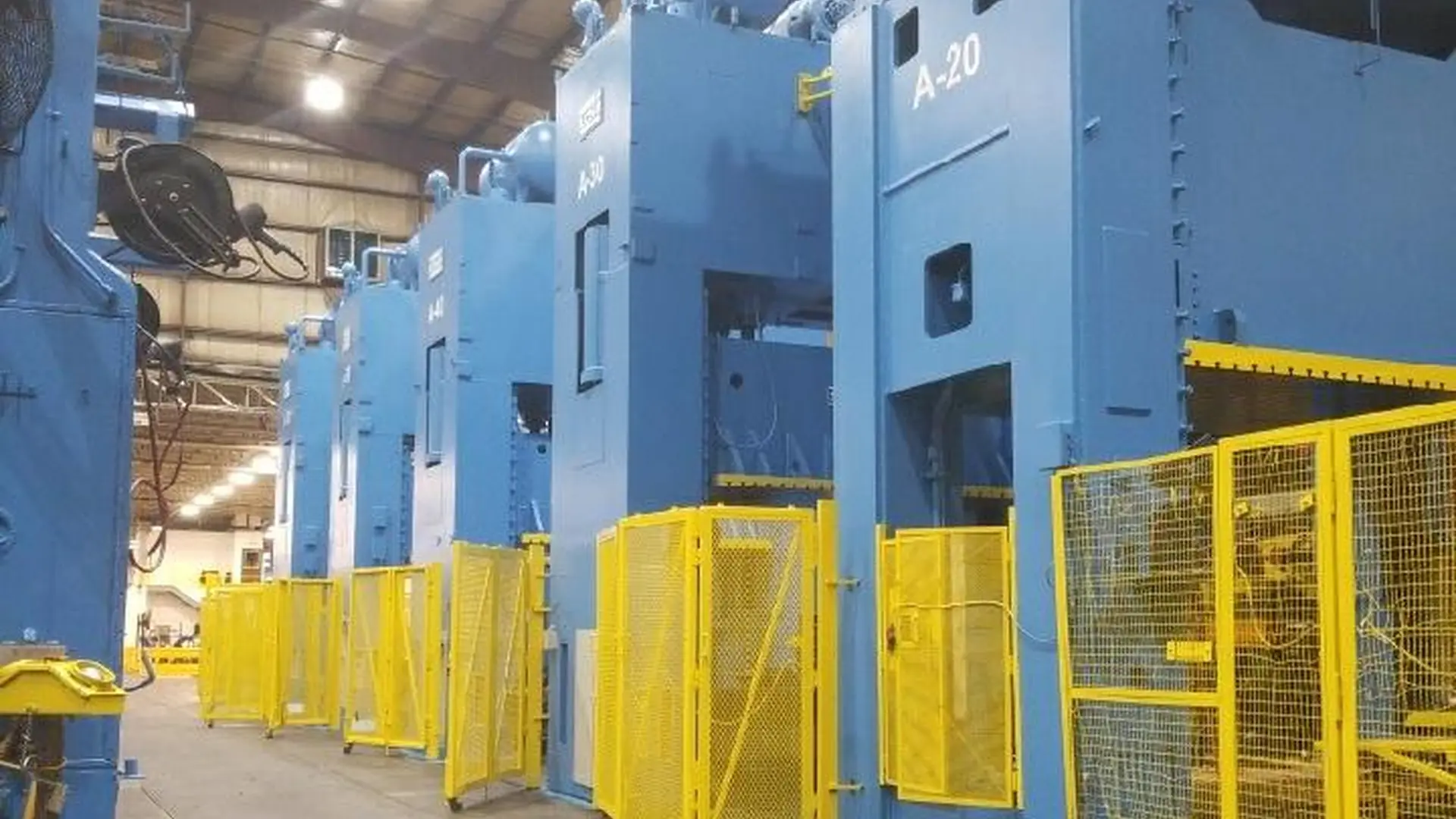
S-03 · Maintenance & Reliability

Find out what your downtime really costs — and what to fix first.

A structured, on-site maintenance and reliability assessment that ends in a prioritized roadmap with the expected downtime, labor, and cost impact of each action. Not a generic maturity score. Not a binder that sits on a shelf.

Why Assess

Unplanned downtime is a cost line, not a weather event.

Most plants know their downtime is too high. Far fewer know what it costs per hour on their constraint assets, which failure modes drive it, or whether the fix is the PM program, the planning process, the parts, the people, or the leadership. Without that, improvement money goes to whatever failed most recently.

A maintenance and reliability assessment answers those questions the way an owner would. It starts with the cost of the problem, follows the work from request to completion, and checks whether the preventive maintenance in the CMMS is the maintenance that actually happens on the floor.

The assessment draws on the same approach that delivered a 20% reduction in maintenance-driven downtime at a Tier 1 automotive plant: a PM program matched to real failure modes, planning and scheduling discipline that puts wrench time ahead of firefighting, and a maintenance team led like the production asset it is.

You leave with
Cost of downtime
Estimated for your critical assets
Root-cause picture
Which part of the system is actually failing
Prioritized roadmap
Actions ranked by downtime, labor, and cost impact
Quick wins
What can move in the first 30 days
Leadership read-out
Findings briefed to plant leadership, not just maintenance
What We Assess

Seven areas, one cost-of-downtime lens.

01

Work Management

How work is requested, approved, prioritized, executed, and closed. Where it stalls, where it bypasses the system, and how much of the week is reactive.

02

Asset Criticality & PM Program

Asset criticality ranking, condition monitoring coverage, and whether PM tasks match the failure modes of the assets they cover (RCM / FMEA thinking, not vendor defaults) — and whether scheduled PMs are actually completed.

03

Planning & Scheduling

Job plans, kitting, backlog size and age, schedule compliance, and the real wrench time available to the crew.

04

CMMS Data Quality

Asset hierarchy, failure coding, work-order history, and whether the data can support decisions or only records them.

05

Critical Spares & Storeroom

Critical spares identified and stocked, storeroom discipline, and how often a repair waits on a part.

06

Skills, Staffing & Safe Work

Crew structure, skills coverage, contractor dependence, overtime patterns, supervisor span of control, and safe-work practice (LOTO).

07

Leadership & Metrics

How the maintenance department is led and measured — MTBF, MTTR, PM and schedule compliance — and how it works with production.

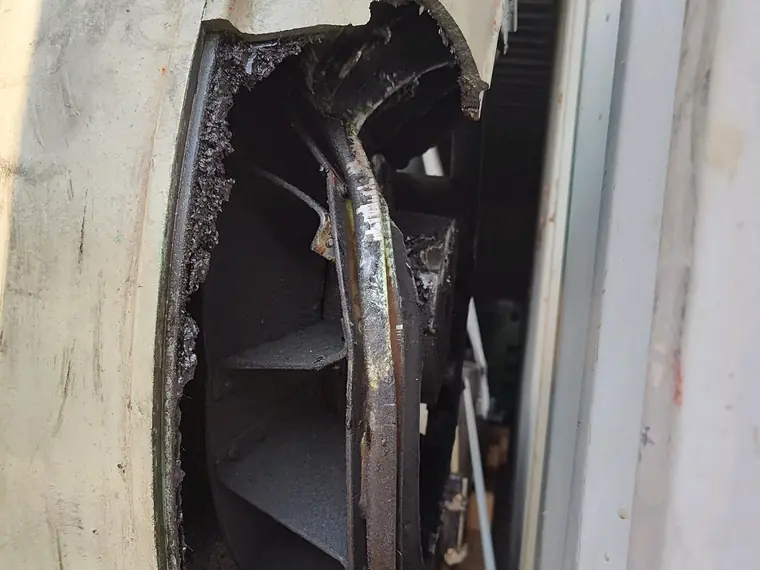
Fractured blower wheel — failure analysis
Carbon fouling — the cost of deferred maintenance
Track Record — Career, Aggregate
100+
Capital Projects Delivered
$200M+
Capital Delivered · Career
20%
Downtime Reduction · Tier 1 Auto
95%+
On-Time, On-Budget Delivery
Engagement Model

How an assessment runs.

Step 01

Frame

A direct first conversation, critical assets identified, and the cost of downtime estimated with your finance and production data.

Step 02

Observe

On-site review: the floor, the CMMS, the storeroom, the planning process, and interviews from technicians to plant leadership.

Step 03

Quantify

Findings tied to downtime, labor, and cost — so the roadmap can be ranked by payoff, not opinion.

Step 04

Roadmap

A prioritized plan with quick wins, longer-term actions, and the option to have ProjectMAINT lead implementation.

Questions

Frequently asked questions.

What is a maintenance and reliability assessment?

A structured, on-site review of how a plant's maintenance organization works — work management, asset criticality and PM program, planning and scheduling, CMMS data, spares, skills, and leadership — tied to the cost of unplanned downtime and ending in a prioritized improvement roadmap.

How is this different from a maintenance maturity audit?

A maturity audit scores you against a generic model. This assessment starts with what downtime costs your plant and ranks every recommendation by its expected downtime, labor, and cost impact, so you know what to fix first and what it is worth.

What do we receive at the end?

A written findings report, an estimate of the cost of downtime on your critical assets, a prioritized roadmap with quick wins and longer-term actions, and a read-out for plant leadership.

Can you implement the recommendations?

Yes. ProjectMAINT can lead implementation — PM program redesign, planning and scheduling, CMMS cleanup, spares strategy, and team development — or provide interim maintenance leadership while the changes take hold.

Which industries do you assess?

Food and beverage, automotive Tier 1, chemical and process, and metals manufacturing. The method transfers to most discrete and process manufacturing environments.

Is the assessment done remotely?

No. The floor, the storeroom, and the people are where the answers are. The assessment is performed on site, with data review before and after the visit.

Start Here

Let's pressure-test your project.

Capital build, downtime problem, or leadership gap — the first conversation is free and direct. You'll leave it knowing exactly where your risk is.

Schedule a Project Assessment →
330.696.3413 SBurton@ProjectMAINTSolutions.com
Or send a message directly